Health care

We provide affordable and personalized care

How can we help?

Helpful links

Financial

Accounts to help you save and pay for health care expenses

How can we help?

Helpful links

  • Resources

    Find contribution limits, savings tools, calculators and eligible expenses

  • Account support

    Find contact information and frequently asked questions

Tax season resources

Get ready for HSA tax season

If you used an HSA this year, the HSA Tax Center offers general information about contributions, eligible expenses and commonly used tax forms — all in one place.

Pharmacy

We make it easy to get medications you need, when and where you need them

How can we help?

Helpful links

  • Optum Rx

    For people with pharmacy insurance benefits through Optum Rx

  • Track orders

    Track your home delivery and specialty order

  • Pharmacy support

    Find contact information and answers to frequently asked questions

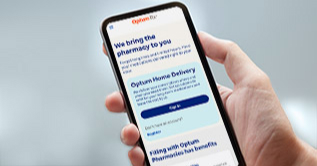
Mobile app

Optum Rx on the go

Request refills, track order status, manage billing information and much more.

Download on the App StoreGet it on Google Play

When is the best time for a flu shot?

Learn the best time of the year to get a flu shot and how it can benefit you.

Last updated: July 27, 2026 | 4-minute read

In this article

There’s a reason the best time to get the flu vaccine is in the fall. School is starting and we're entering the respiratory season when COVID-19, RSV and flu viruses spread. That means it’s time to get an annual flu shot to protect yourself and others from the flu. 

This is especially important for people at a higher risk for severe illness, such as young children, older adults, pregnant people and those with chronic health problems.


Who needs to get a flu shot?

The CDC says everyone 6 months of age and older should get a flu shot every year. It’s the best way to protect yourself and those around you.

Should healthy people get a flu shot?

It’s important to get the flu vaccine to not only protect yourself but your family, friends, neighbors, coworkers and the community as a whole. The more people who protect against the flu with the flu shot, the less flu there will be in general.

Some people are more likely to get serious illnesses from the flu, including:

Ongoing health problems include:

When is the best time to get a flu shot?

It takes time for a flu shot to work — about 2 weeks after you get your shot for antibodies (proteins that prevent infections) in the shot to start to protect you. That’s why the best time to get a flu vaccine is between September and the end of October, before the flu starts to spread in your community. 

The only people who need to get shots earlier are children under age 9 who haven't had a flu shot before. They need 2 shots at least 4 weeks apart.

Pregnant people in their third trimester may get the flu vaccine. This is to protect their babies from getting flu as a newborn when they’re too young to get vaccinated. Babies can start getting flu shots again when they’re 6 months old. 

How long does flu shot protection last?

Flu shot protection isn’t permanent. It usually lasts about 5 or 6 months, which is why you need to get a flu vaccine every year.  Protection also fades over time, so getting vaccinated in early fall (around September or October) helps keep you protected through the peak flu season.

When should children get the flu shot?

The flu shot has a strong safety record and has been given to millions of children for many years. It’s an important way to protect kids from getting sick and spreading the flu to others. 

Children should get a flu shot every year starting at 6 months old. For the best protection, experts recommend getting vaccinated by the end of October, before the flu starts spreading widely in the community. 

Babies can safely receive a flu shot starting at 6 months old. Babies younger than 6 months can’t get the vaccine, so it’s especially important for caregivers and close contacts to get vaccinated to help protect them.

Children ages 6 months through 8 years need 2 doses the first time they’re vaccinated. The first dose “primes” the immune system. The second dose helps the body build stronger and longer-lasting immunity. Protection may be weaker or not last through the full flu season without the second dose.


How effective is the flu shot?

A flu shot has been shown to reduce the risk of having to see a doctor for the flu by 40%–60%.

It’s impossible to predict when or if you’ll get the flu, or how your body will react to it. Even usually healthy people can get the flu, and it can be serious. Getting a flu shot is a safer choice than risking an illness.

If you get a flu shot and still get sick with flu, being vaccinated can help make your illness less severe. Even healthy people can get the flu and other illnesses from it. One of the best ways to protect yourself is to get a flu shot.

Does the flu shot make you sick?

Flu shots, like other vaccinations such as the COVID-19 shot, are made with an inactive virus or protein. The vaccines are not complete or live viruses and cannot cause illness.

Some people may get a low-grade fever, headache and muscle aches after having a shot. This is your immune system responding to the shot. The immune system is the part of your body that fights illness. This kind of response usually goes away in 1 to 3 days.

It’s more common to have soreness, redness or swelling on your arm where you get the shots. These kinds of responses mean your body is gearing up to fight the virus. If you're later exposed to the flu or COVID-19 virus, you'll be more ready to fight it.

Was 2025–2026 a bad flu season?

The 2025–2026 flu season was moderately severe for people of all ages. According to the CDC:

  • Flu-like illnesses were at high severity 
  • Flu hospitalization rates were at moderate severity
  • Flu deaths were at moderate severity

How does the flu virus spread?

Respiratory viruses like the flu spread easily. People who are ill can spread germs that cause respiratory illnesses through droplets when they sneeze, cough or talk. Those droplets can land in your nose, mouth or eyes if you're nearby. 

Plus, a person who is sick can leave infected droplets on objects such as doorknobs. If you touch the doorknob and then touch your nose, mouth or eyes, you might get those germs and become sick.

Other helpful flu articles

Article

Cold and flu hotspots

Germs can lurk in many crowded public spaces. Here are the germiest places and what to know to avoid getting sick.

Article

7 reasons to make time for your flu vaccine

It’s important to get your annual flu vaccine to help protect you from the virus and its possible complications.

Article

Supercharge your body this cold and flu season

Taking steps like getting the recommended vaccines and implementing healthy habits can help prevent respiratory infections while also helping to keep others around you healthy.

The information provided is for general informational purposes only and is not intended to be medical advice or a substitute for professional health care. You should consult an appropriate health care professional for your specific needs.

Originally published: August 20, 2020