







Your care, supported through every chapter

Early adulthood (25 – 34)
Some concerns for women in this age group:
- Preventive screenings
- Reproductive health & family planning
- Mental health
- Sexually transmitted infections (STIs)
- Skin health & cancer prevention

Midlife transitions (35 – 54)
Key concerns for women in this age group:
- Hormonal changes & perimenopause
- Breast & cervical cancer screenings
- Cardiovascular health
- Bone health
- Mental health & stress management

Prime years (55 – 64)
Key concerns for women in this age group:
- Menopause management
- Heart disease & stroke risk
- Cancer screenings
- Diabetes & metabolic syndrome
- Urinary & vaginal health

Later adulthood (65 & up)
Key concerns for women in this age group:
- Heart disease
- Breast, lung & colorectal cancer
- Chronic conditions management
- Cognitive decline & Alzheimer's disease
- Osteoporosis & fall risk
Ask our doctors
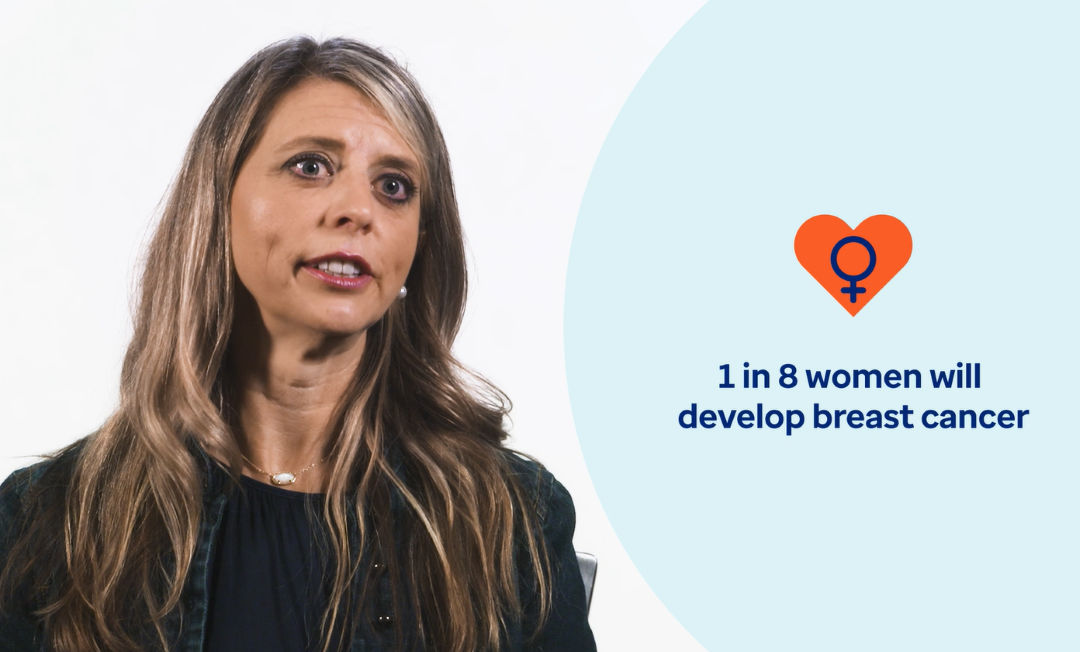
What to know about breast cancer
Hear from our doctors about current recommendations for screenings and the importance of early detections. If you find out you have cancer, our doctors and care teams are here to make sure you get the care you need, when you need it.
Women's health and wellness FAQ
In your 20s, it's important to get cervical cancer screenings, also known as Pap tests, every five years. If you're sexually active, talk to your doctor about getting screened for sexually transmitted infections (STIs). Your primary care provider can also help you understand birth control and family planning.
In your 30s, your fertility starts to decline. If you're thinking about having a baby, talk to your doctor about the best time to try and any tests or treatments that might help. Your doctor can also give you tips on prenatal care and staying healthy during pregnancy.
Heart disease is a leading cause of death for women. As you get older, it's important to check your blood pressure, cholesterol and other heart health markers regularly. Your doctor can help you understand your risk and how to stay healthy.
A primary care provider helps you stay on top of your health by giving you regular checkups and screenings. They can also give you advice on how to live a healthy lifestyle and catch any health issues early.
Women at average risk for breast cancer should begin regular annual mammogram screenings at age 40.
For women at higher risk, screenings are often recommended before age 40, depending on individual risk factors such as:
- Family history of breast cancer
- BRCA1 or BRCA2 gene mutations
- History of chest radiation before age 30
If you have a family history of breast cancer, talk to your doctor about your risk and when to start screening. You might need to start mammograms earlier or have more frequent tests. Your doctor can also discuss genetic testing if it's right for you.
Perimenopause is the time before menopause when your body starts to change. You might notice irregular periods, hot flashes, mood swings and changes in your sex drive. Your doctor can help you manage these symptoms.
Starting at age 45, women should talk to their doctor about colon cancer screening. The exact schedule depends on your risk factors, but it usually involves a test every 10 years or more often if needed.
To keep your bones strong, eat foods rich in calcium and vitamin D, exercise regularly and avoid smoking. Your doctor might also suggest bone density tests, especially after menopause, to check for osteoporosis.
- Women are nearly twice as likely as men to experience depression, according to Psychology Today. This includes major depressive disorder, perinatal depression and premenstrual dysphoric disorder (PMDD).
- Hormonal changes during menstruation, pregnancy, postpartum and menopause significantly affect mood and increase vulnerability to depressive episodes, according to the National Institute of Mental Health.
- Depression in women often coexists with anxiety, PTSD and eating disorders, compounding its impact on daily functioning and quality of life.
- Women face unique stressors such as caregiving burdens, gender-based violence, societal expectations and economic disparities, all of which contribute to mental health challenges.
- Symptoms in women are sometimes dismissed as emotional rather than clinical, leading to delays in diagnosis and treatment.
Helpful resources

Article
Why is it important to keep my skin and hair healthy?
Hair care can be confusing, but a consistent routine can help lead to stronger, fuller strands.

Article
6 women's healthcare products covered by FSA and HSA
You can buy more with your medical expense accounts than you think. Here’s what you should know.

Article
What does it mean to have good mental health?
Good mental health means feeling balanced, having self-control, thinking clearly, and having coping strategies, even during tough times.

Article
The biggest myths about breast cancer after age 60
You may have heard that older women don’t need mammograms or can’t do anything about their risk factors. Here’s the truth behind five myths.
*Care services vary by location. Check with your doctor or health plan for specific information.
Optum arranges for or provides medical and other clinical services in accordance with laws in each state it operates. Physicians or providers referenced on this website are to those who are either part of independent practices or to those medical practices managed by or owned, where permitted, by Optum. In all circumstances, physicians and other licensed professionals have complete authority for all medical decision-making and patient care. Optum does not determine or set the methods, standards, or conduct of the practice of medicine or health care provided by any of the practices or their physicians or other licensed professionals.