




A patient’s turning point: A pharmacist’s role in integrated, value-based care
November 25, 2025 | 3-minute read


For Carol King-Reed, diabetes felt like a life sentence. Diagnosed 15 years ago, she spent most of that time avoiding the reality of her condition. “I really didn’t internally accept the diagnosis,” says Carol. “I felt like I had lost all control of my own life.”
It wasn’t until Carol moved to Indiana and met pharmacist Michelle “Shelly” Smith that things began to change. Shelly made Carol feel like a partner in her own care.
“Shelly’s been a major component, frankly, that I actually feel like there’s potential to have control over this,” says Carol.
Helping patients reclaim their health
Shelly practices with Optum Primary Care, located in Indiana, in collaboration with primary care physicians. She helps manage diabetes care for patients, adjusting medications, ordering labs and spending the time to educate patients on how to change behaviors that impact their health. Her tool of choice is the continuous glucose monitor, but she believes the real difference is in education and accountability.
“Too often, a patient doesn’t know what numbers matter, what to look for or how to change their habits. That’s where I come in,” says Shelly. She walks patients through the data, week after week, pointing out patterns and helping them connect choices to outcomes. “At noon your sugar spiked. What did you eat? They’ll say, ‘I thought that was healthy.’ And then we talk about it. That conversation changes behavior.”
The power of connection
For Carol, the impact was immediate and dramatic. After years of struggling, she saw her health improve in ways she never thought possible. “I’ve never felt this well since I was diagnosed,” she said. “It was a shock to see the change, and it gave me hope that the work I was doing was actually making a difference.” With Shelly’s support, Carol found new energy, confidence and control over her daily life.
Shelly’s ultimate goal is to help patients “graduate” to self-sufficiency.
“Once people get up to speed, they don’t need me anymore. They still have the device, but they know how to interpret the numbers and integrate it into their lives,” says Shelly. Patients whom Shelly works with gain control of their diabetes and improve their quality of life.
Between the lines: The collaborative model at Optum Primary Care means patients get more than just a device. They get a team. “My PCP, Dr. Sharron Grannis, is great. Shelly is a critical component on the team because she communicates regularly with her. And she listens to me and helps me down this journey. We’re doing it as a collective, as a team,” says Carol.
Related news
News story
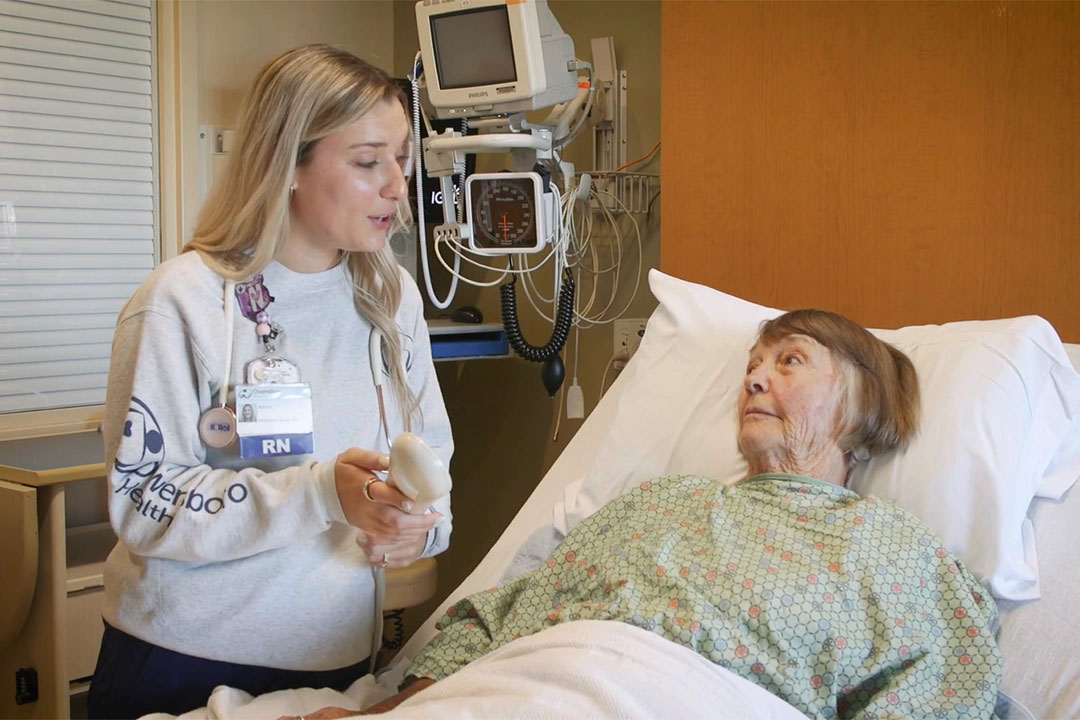
Learn how virtual nurses work alongside bedside nurses to support patient admissions, discharge education and more.
September 17, 2026
News story
Through Weight Engage, Optum Rx is helping people build healthier habits while supporting better outcomes and greater affordability for employers and patients alike.
April 30, 2026