



Because Alpha-1 antitrypsin deficiency (Alpha-1) can lead to damaged lung tissue, people living with this rare, genetic condition often have trouble breathing. Some people have no symptoms, while others may develop emphysema or chronic bronchitis. That makes even seemingly simple daily tasks like walking or eating more difficult.
If there is a buildup of the Alpha-1 antitrypsin deficiency (AATD), the liver may also be affected, and this may cause chronic hepatitis or cirrhosis. And while there’s no cure, managing symptoms can make a huge difference in quality of life.
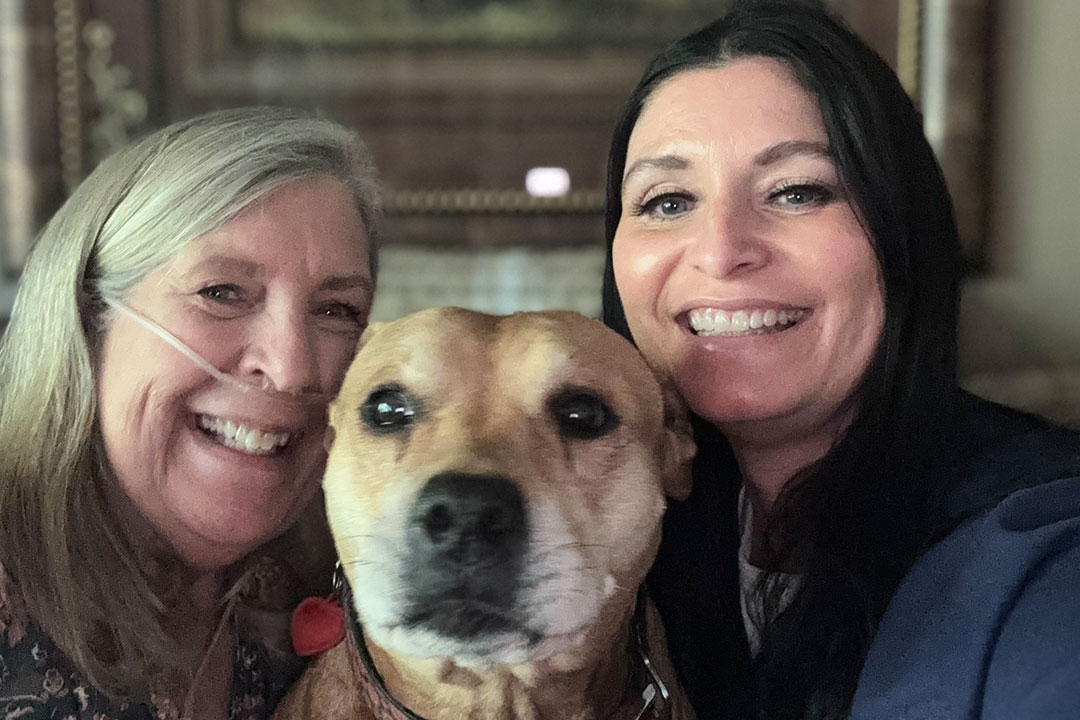
In this article, 2 women living with Alpha-1 share how their Optum® Infusion Pharmacy nurse Amy built relationships based on real concern. More than administering infusion medications, Amy understood their needs and provided the emotional support and caring they needed to feel better.