



Health care

We provide affordable and personalized care

How can we help?

Helpful links

Financial

Accounts to help you save and pay for health care expenses

How can we help?

Helpful links

  • Resources

    Find contribution limits, savings tools, calculators and eligible expenses

  • Account support

    Find contact information and frequently asked questions

Tax season resources

Get ready for HSA tax season

If you used an HSA this year, the HSA Tax Center offers general information about contributions, eligible expenses and commonly used tax forms — all in one place.

Pharmacy

We make it easy to get medications you need, when and where you need them

How can we help?

Helpful links

  • Optum Rx

    For people with pharmacy insurance benefits through Optum Rx

  • Track orders

    Track your home delivery and specialty order

  • Pharmacy support

    Find contact information and answers to frequently asked questions

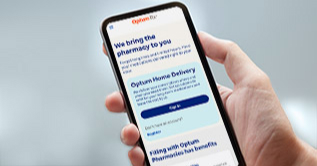
Mobile app

Optum Rx on the go

Request refills, track order status, manage billing information and much more.

Download on the App StoreGet it on Google Play

Helping providers deliver informed care through patient assessments

October 1, 2026 | 3-minute read

Say "ICD-10 code" to most people, and their eyes glaze over. It sounds like something buried deep in a billing system, far removed from the exam room.

It isn't. At its core, coding is how a patient's conditions are documented to give providers and health plans an accurate picture of their health and help ensure they get the right support. A patient with diabetes alone is coded differently than one whose diabetes is also affecting their kidneys. Miss that level of detail, and a health plan won’t see the full picture—and the patient may not get connected to their available benefits. Closing that gap is Michelle Kalinowski’s job.

“If a provider documents chronic kidney disease as ‘unspecified,’ that only tells part of the story,” Kalinowski said. “But if we know the stage, a patient can receive covered dietitian visits or even qualify for transportation to appointments.”

Coding precision matters more than ever as health plans increasingly move toward value-based care, a model that pays providers based on health outcomes rather than the volume of services delivered, with an emphasis on preventive, coordinated care. The goal is better, more proactive care that helps reduce costs across the healthcare system. As the model evolves, the right support can help providers succeed and best serve their patients.

That’s where Optum programs like the In-Office Assessment Program come in. Program field teams, including coding trainers like Michelle Kalinowski, work with health plans and the providers in their networks to offer on-site support. They help providers navigate coding, documentation and manage administrative tasks, freeing them to focus on patient care. The program meets providers where they are, adapting to how they work best, whether that’s using digital tools or having printed resources in hand.

Stepping in when a patient couldn't advocate for themselves

That support proved critical this year when Dr. Victor Seikaly, a physician with Sharp Community Medical Group in California, welcomed nearly 200 new patients after another physician retired. Kalinowski stepped in to help his practice through the transition while maintaining a focus on value-based care.

“I reviewed each patient’s diagnoses, labs and medications to identify documented evidence of chronic, ongoing conditions,” she said. “Then I mapped those findings to the appropriate codes and created patient profiles for Dr. Seikaly to reference before and during each patient’s first visit with him.”

Among the new patients was a senior with dementia. Research shows that up to 85% of people with dementia miss out on essential post-diagnosis care, which meant this first visit carried real weight.

"We had one shot to get this right,” Kalinowski said. “We have no way of knowing if they’ll come in for a second or third appointment. But we did know they wouldn’t be able to tell their full health story, so I made sure I got everything documented." 

The profile gave Dr. Seikaly a more complete view of the patient's conditions, including dementia and heart failure, before the appointment. With that information, he was able to conduct a thorough annual assessment and develop a coordinated care plan tailored to the patient's needs. Documented precisely, it also opened the door to additional support from the patient's health plan.

“Optum's support has been valuable to my practice,” Dr. Seikaly said. “Michelle was instrumental in helping us get up to speed quickly so my team and I could focus on patient care rather than administrative work. I recall one elderly patient in particular. The information provided in advance allowed us to conduct a thorough assessment in a single visit, which would have been difficult otherwise.”

“He’s the doctor providing the care, and that’s the most important job there is,” Kalinowski added. “I put the pieces together, so he had the information he needed to make informed care decisions.”
Support that adds up

Kalinowski’s work is one piece of a larger effort. Across the program, about 300 field professionals work with more than 40 health plans and 29,000 provider groups, helping complete nearly 6 million assessments a year. That kind of collaboration between health plans, providers and coding experts helps ensure assessments translate into better-informed care, especially when patients are unable to advocate for themselves.

Related news

How Owensboro Health Is Creating More Time for Closer Care

News story

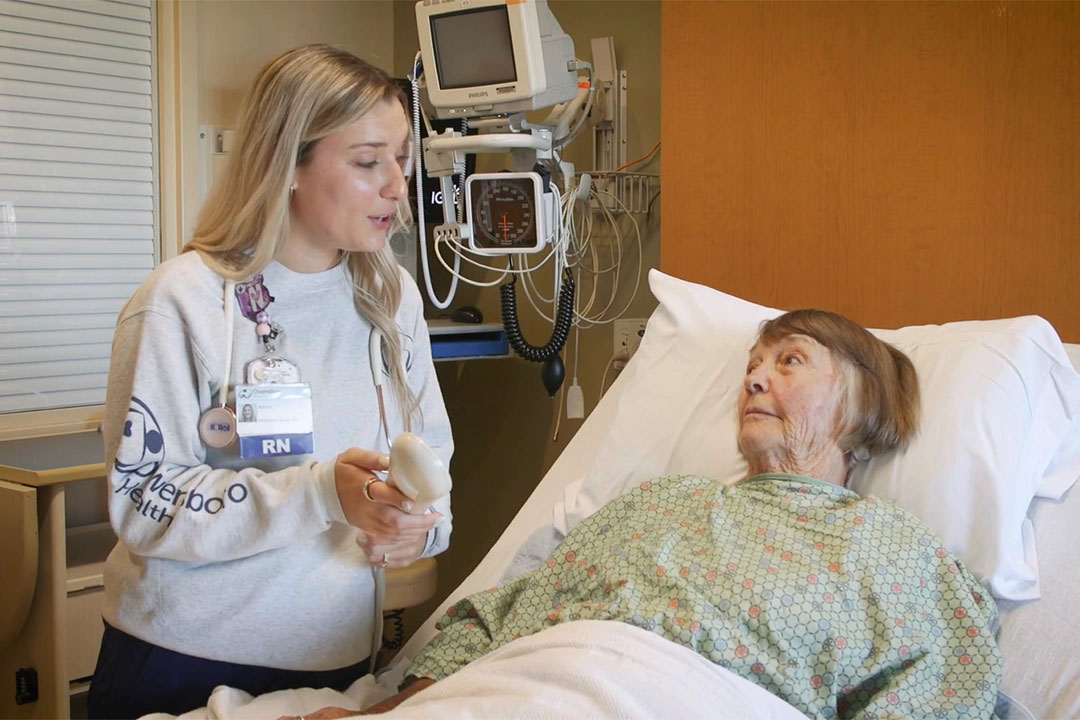
How Owensboro health is creating more time for closer care

Learn how virtual nurses work alongside bedside nurses to support patient admissions, discharge education and more.

September 17, 2026

Dr. Anne Dixon on Leadership, Hockey and Clinician Care

News story

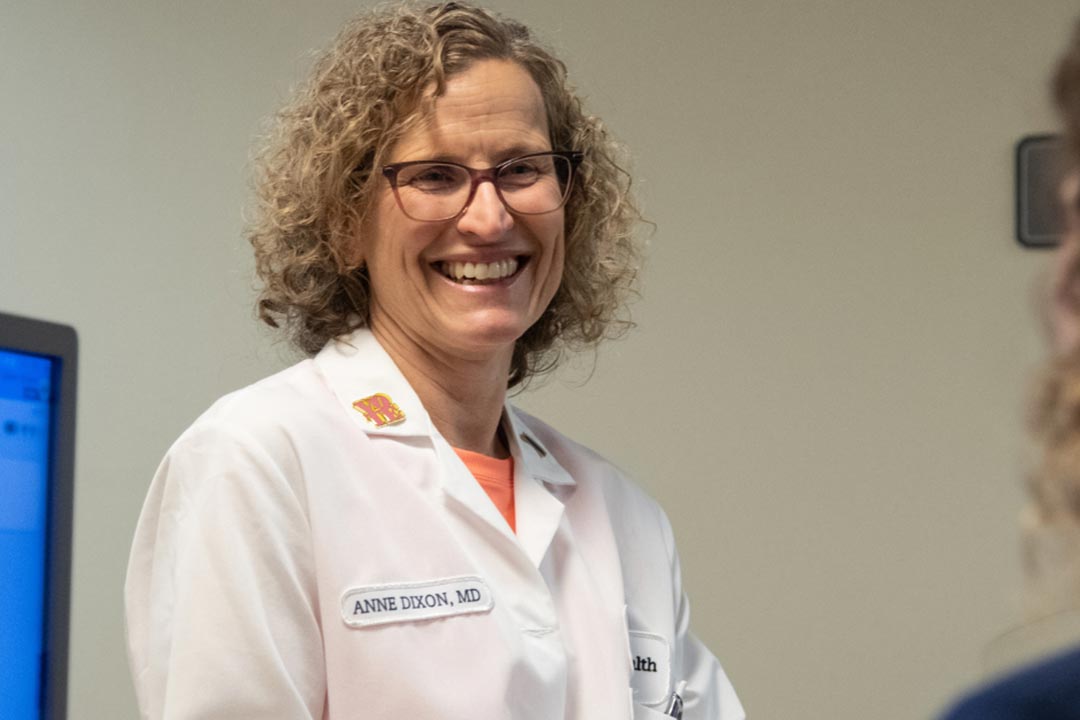
Dr. Anne Dixon on leadership hockey and clinician care

Learn how hockey, family and medicine shaped her leadership approach and passion for improving clinician experience.

September 10, 2026

High-Touch, Coordinated Care Improves Outcomes

News story

High-touch, coordinated care improves outcomes

Learn how Optum Infusion Pharmacy supported one patient living with a neurologic condition.

May 28, 2026

Sources
Alzheimer’s Disease International. World Alzheimer Report. Published September 20, 2022.